


Discover how life skills therapy, occupational therapy, and physiotherapy empower individuals to thrive through supported independent living services.

Therapeutic support does more than manage symptoms—it helps people learn skills to live on their own. For those dealing with disabilities, injuries, or mental health issues, the right therapy can help them handle daily tasks without help. Independent living means more than having a place to stay. It’s about doing things like cooking, managing medications, going to appointments, and keeping relationships. Independent living rehabilitation offers a structured plan to turn goals into real achievements. This article looks at how different therapies, like physiotherapy and life skills therapy, help with independent living. It also explores what research says about effective methods and how to organize support under the NDIS for the best long-term outcomes.
From Supervision to Skill Acquisition: How Therapeutic Support Drives Independent Living
Taking care of someone can mean just keeping them safe. But teaching them skills helps them do things on their own. Good independent living services teach skills, not just provide supervision. A house is where you live, but therapy helps you do things inside it.
Living alone is an independent risk factor for poor therapy adherence, with rates around 29.10% in specific patient groups.
Source: europe_pmc
Mental health problems affect many people around the world. They can make it hard to do everyday things. When deciding on support, it’s important to look at what a person can do by themselves.
Mental disorders are responsible for a significant portion of global disability years, affecting 1 in 6 people.
Source: WHO
Research shows that just helping with daily activities doesn’t always improve skills. Living alone can make it harder to stick to therapy. Supported independent living uses therapy to help people be independent.
Occupational Therapy as the Foundation of Life Skills
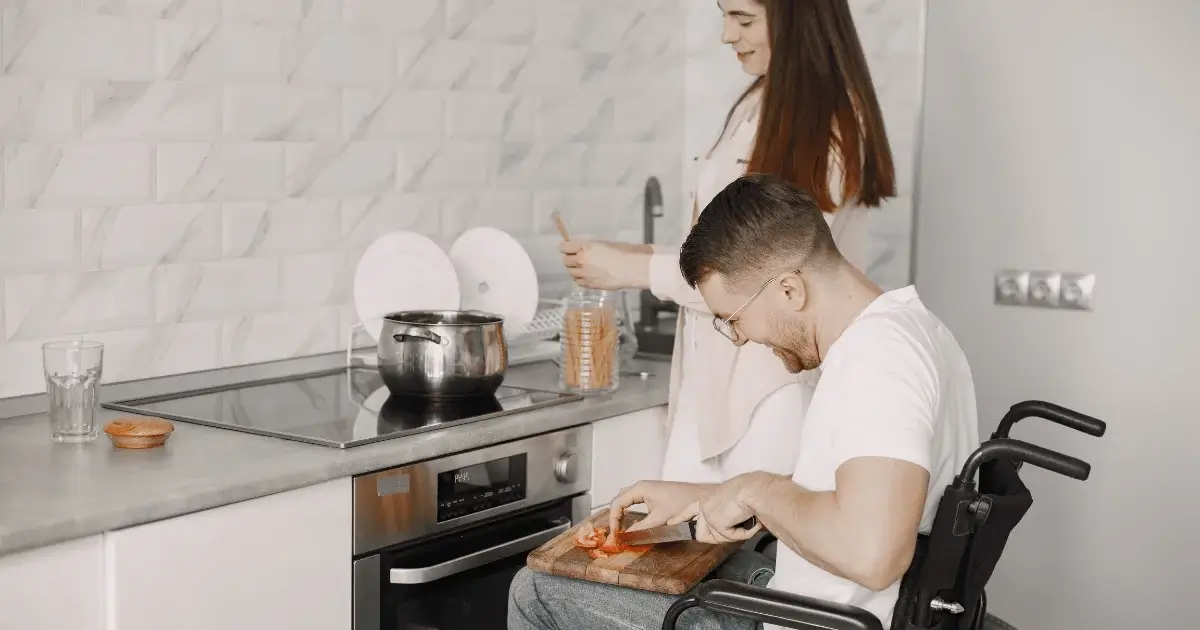
Occupational therapy helps people do everyday things. It starts with what the person wants to do, like cooking, taking the bus, or working. The therapist figures out what they need to make it happen. Goals become simple tasks that can be done every day.
Meaningful Living
Independent living therapy works best when it’s built around what matters to the person — not just what’s clinically convenient. Adjusting the environment is a practical first step. Changes like bench heights, labeled storage, and accessible layouts reduce the need for constant assistance. People learn to complete tasks on their own because the space supports them.
Independence means having support that lets the person do the task themselves.
Focusing on specific activities drives real progress. General assistance doesn’t always build capability. Independent living therapy is most effective when it targets the exact tasks a person wants to master — whether that’s preparing a meal, managing medications, or getting ready for work.
Physical Rehabilitation and Emotional Wellbeing
Physical movement supports both the body and the mind. Exercise can improve mood, sleep quality, and reduce chronic pain. For people rebuilding confidence after an accident or illness, independent living rehabilitation addresses this connection directly — treating emotional wellbeing as part of recovery, not separate from it.
Staying motivated is easier when people feel physically stronger. That progress reinforces the effort required to keep up with a structured rehabilitation program.
Living alone can make it harder to maintain consistent therapy. Regular exercise sessions create routine and give a therapist a reason to visit, which helps reduce isolation and keeps people connected to their support network.
- Mobility and confidence — Better balance and walking reduce the fear of falling
- Mood regulation — Regular exercise helps keep emotions stable
- Social contact — Therapy sessions offer consistent human interaction for those living alone
Navigating the NDIS Therapy Landscape in 2026
Therapy should be part of the plan as tasks with clear goals. Reports from therapy sessions should show specific achievements, like cooking a meal or traveling alone. This shows progress in everyday skills.
Where therapy happens matters. Practicing skills at home helps people learn better than in a clinic.
| Factor | Clinical Setting | Home-Based Therapy |
|---|---|---|
| Environment | Controlled | Real living space |
| Skill transfer | Needs extra steps | Immediate |
| Attendance | Needs transport | No travel issues |
| Family and support staff | Sometimes involved | Often involved |
| Equipment assessment | Simulated | Real-life |
Successful plans see therapy as ongoing, not just for recovery. The same team should help from start to finish.
The Role of Specialized Rehabilitation in Long-Term Autonomy
Mental
Occupational therapy and Acceptance and Commitment Therapy (ACT) work well together for mental health support. ACT helps people live with symptoms that won’t fully go away, focusing on actions that matter to them. Occupational therapy turns that mindset into daily practice. It identifies tasks a person wants to manage and builds the skills to do them independently.
Physical
Specialized rehab helps with daily movements like getting up from a chair, dressing, or moving safely at home. In supported independent living, physical therapy focuses on these tasks so people can be more independent. Success is seen in how much easier these tasks become over time, not just by meeting clinical goals.
Lifestyle
Healthy habits like sleep, nutrition, and activity make therapy benefits last longer. This helps people not just recover but thrive.
Complex care needs skilled professionals. They coordinate and document outcomes, which is beyond general support workers’ roles.
Key Takeaways for Independent Living Success
When comparing independent living therapy to support hours, consider these points:
– Independent living therapy is crucial, not optional. It builds skills and lowers the need for future supervision.
– Multi-disciplinary programs have better results. Coordinated therapy works better than separate approaches.
– Home-based therapy improves follow-through. Practicing skills at home speeds up learning and memory.
– Emotional and physical health are connected. Working on both leads to better progress.
– Specific goals make therapy successful. Clear tasks with measurable results stand up in plan reviews.
These ideas turn therapy from a cost into a long-term investment in independence.
Partnering for Professional Care: The Above & Beyond Approach
Effective independent living rehabilitation requires more than good therapy; it needs a support partner who aligns clinical goals with daily life. Above & Beyond Carers ensure therapy goals integrate with daily support activities, facilitating real-life progress.
They work with both NDIS and aged care systems, crucial for clients transitioning between systems or funding types. This cross-system expertise fills care gaps and maintains rehabilitation momentum, regardless of plan setup. Enterprise clients and plan managers receive detailed reports with clear goals, measurable baselines, and documented progress, aiding in plan reviews and facilitating requests for additional therapy. Choosing a provider should focus on capability, not just availability.
The right partner optimizes funding and reports outcomes to support ongoing or increased assistance.
Schedule a consultation with Above & Beyond Carers to discuss your needs, plan structure, and a therapy program for long-term independence.