


Compare exercise physiology vs physiotherapy to find the right support for your recovery, chronic condition, or NDIS goals in Australia.
Understanding exercise physiology vs physiotherapy is the first step in managing a slow recovery, a new diagnosis, or an NDIS plan. While both fields are university-qualified allied health disciplines in Australia, they serve different roles in your health journey. Physiotherapy focuses on diagnosing acute injuries and providing hands-on clinical care to restore joint and nerve function. So, what is exercise physiology? It is the clinical application of exercise to manage chronic disease and build the physical capacity that manual therapy alone cannot sustain. In the context of disability support, the NDIS exercise physiology vs physiotherapy question usually comes down to whether the goal is immediate pain management or long-term functional independence. Whether you are searching for physiotherapy near me for a recent injury or an exercise physiologist near me to manage a permanent condition, selecting the right modality ensures your treatment aligns with your needs. Integrating specialized exercise physio therapy near me can provide a complete path from acute healing to long-term wellness in 2026.
Exercise Physiology vs Physiotherapy: Choosing the Right Path for Recovery and NDIS Goals
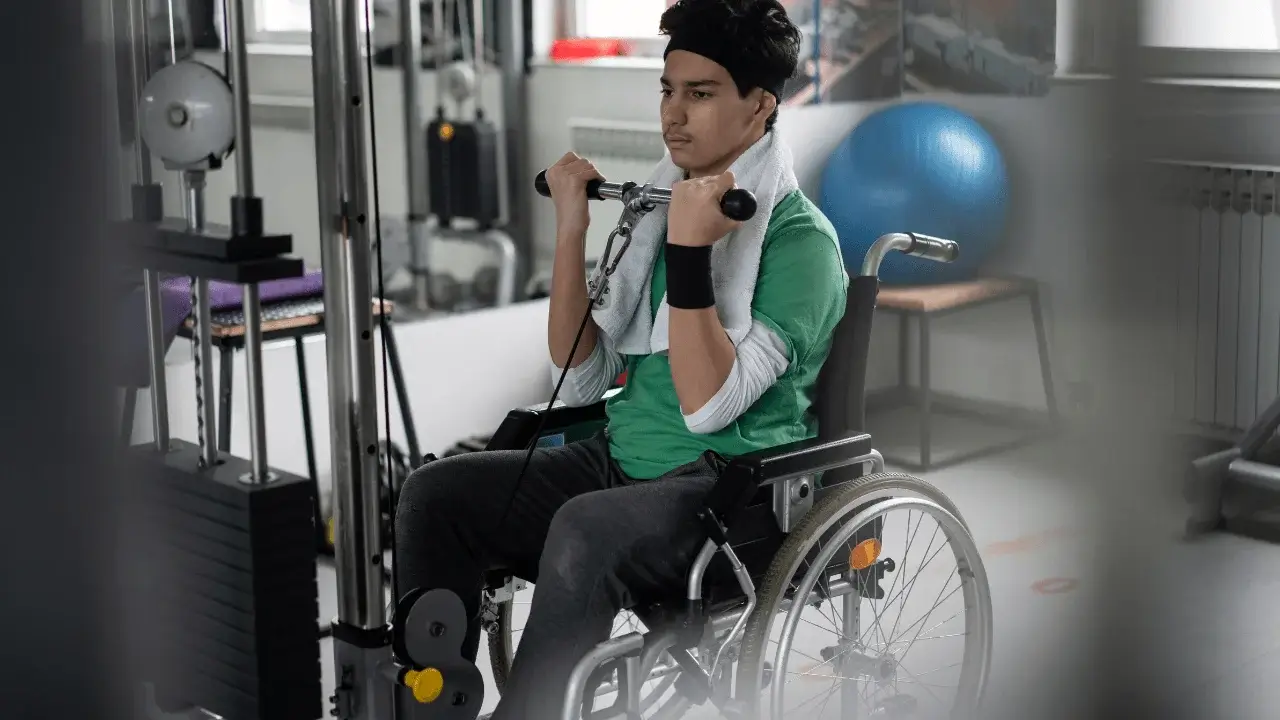
Choosing between an exercise physiologist and a physiotherapist matters most when you’re navigating a slow recovery, managing a new diagnosis, or working through an NDIS plan that allocates therapy funding without specifying which profession to use. Both are four-year university-qualified allied health professionals in Australia, and both use movement as a core tool — but the way they apply it, and when each delivers the greatest value, differs significantly. If you’ve already searched for an exercise physiologist near me and found yourself unsure whether that’s actually the right fit, or whether a physiotherapist would serve you better, the answer comes down to where you are in your health journey and what your body needs right now. The sections below break down each discipline, clarify when one is the stronger choice, and help you make a confident decision heading into 2026.
Physiotherapy

Physiotherapy involves the assessment, diagnosis, and treatment of physical injury and impairment. Understanding the scope of physiotherapy helps clarify when other specialists are needed, which is where understanding what is exercise physiology becomes a useful comparison point. Physiotherapists provide clinical diagnoses for musculoskeletal conditions, emphasizing hands-on treatments to restore joint and nerve function. In Australia, entry into physiotherapy requires at least a four-year university qualification—such as a bachelor’s degree or equivalent master’s pathway—and national registration. Globally, 39% of physiotherapy member territories allow patients to access services without a referral, and Australia is among them.
Exercise Physiology

So what is exercise physiology? It is the clinical use of exercise to prevent, manage, and rehabilitate chronic diseases, injuries, and disabilities. Exercise physiology requires a minimum of four years of university study, including supervised clinical practice, and accreditation through Exercise and Sports Science Australia (ESSA). The focus is on prescribed exercise rather than hands-on treatment, which is why the NDIS exercise physiology vs physiotherapy question so often resolves in favor of exercise physiology for participants with long-term capacity-building goals — progressive, monitored programs align directly with NDIS outcomes around daily living and community participation. The demand is increasing: employment for exercise physiologists is projected to grow by 10% through 2033.
Acute Phase
The acute phase is the days-to-weeks period right after an injury or surgery, and it’s all about dealing with inflammation, pain, and limited movement. During this time, figuring out what’s wrong and protecting the injured area are top priorities. If you’re thinking about finding a physiotherapist nearby, you’re on the right track. Above and Beyond Carers provides hands-on assessments, joint mobilization, and structured load management, which are exactly what you need right after an injury or surgery.
Chronic Condition
A health issue lasting six months or longer, like diabetes, heart disease, ongoing pain, osteoarthritis, or a permanent disability, changes the focus from healing to improving life skills. Hands-on treatment alone can’t keep up the benefits that regular exercise provides over time. If you’ve looked for exercise therapy nearby while handling a long-term condition, you’re on the right track. An Accredited Exercise Physiologist creates and checks personalized programs that focus on the whole body, not just where it hurts. In the UK, with 67,000 chartered physiotherapy members and support staff, the tradition of manual therapy is strong worldwide. However, for chronic conditions, evidence shows that active, planned movement is key to lasting improvement.
Side-by-Side Comparison: Modalities and Scope
The clearest distinction between the two disciplines is the nature of the work during a session. In physiotherapy, the clinician often performs treatments on you. In exercise physiology sessions, you engage in the exercises while the clinician guides and monitors your progress.
Attribute | Physiotherapy | Exercise Physiology |
|---|---|---|
Focus | Diagnosis of injury, pain source identification, tissue healing and structural restoration | Whole-body systems — cardiac, metabolic, respiratory, neurological, musculoskeletal and mental health |
Primary Modality | Passive and hands-on: joint mobilization, soft tissue release, dry needling, taping, electrotherapy, early-stage prescribed movement | Active: individualized clinical exercise prescription, progressive strength and aerobic loading, physiological monitoring, behavior change coaching |
Best For | Acute sprains, fractures, post-surgical recovery, sudden-onset back or neck pain, sports injury, undiagnosed pain | Type 2 diabetes, heart disease, obesity, persistent pain, arthritis, cancer recovery, disability-related deconditioning, long-term plan goals |
Accessibility is more straightforward than many expect. Australians can self-refer to both disciplines for private treatment, placing the country in the 39% of global physiotherapy member territories that allow access without a referral. Referral rules primarily impact funding: Medicare chronic disease management items and some private health extras require a GP referral or specific accreditation, and NDIS plans attach funding to reasonable-and-necessary goals rather than a specific profession.
The overlap in scope is significant and worth acknowledging. Physiotherapists prescribe exercise and often manage strength-based rehabilitation programs. Exercise physiologists assess movement quality and screen for red flags. An AEP does not diagnose suspected tears or manipulate inflamed joints, and physiotherapists are seldom funded or scheduled to supervise long-term metabolic conditioning programs. Choose based on the primary task, not peripheral capabilities.
Clinical Applications: When to Choose Which Discipline
Understanding what is exercise physiology — the clinical application of prescribed exercise to prevent, manage, and rehabilitate chronic disease and disability — is essential before deciding which specialist to book. Once that distinction is clear, the choice between disciplines becomes far more straightforward.
Choose physiotherapy when:
The problem is new, sudden, or undiagnosed and requires hands-on clinical assessment
You are recovering from surgery and need joint mobilization, soft tissue work, or load management protocols
You have a suspected ligament, tendon, or muscle tear that may require imaging referral
Acute pain is limiting basic movement and needs to be resolved before a structured program can begin
Choose exercise physiology when:
A diagnosis is already confirmed and the priority is building long-term physical capacity
You are managing a chronic condition such as type 2 diabetes, heart disease, persistent pain, or a neurological disorder
Your NDIS plan targets daily living independence, community participation, or functional endurance — goals that align directly with progressive, monitored exercise programs rather than episodic manual treatment
You have completed an acute physiotherapy phase and need a structured transition into sustained conditioning
The two disciplines are not competing options. For most people with complex or long-term conditions, physiotherapy addresses the immediate structural problem while exercise physiology builds the capacity that hands-on treatment alone cannot maintain. Selecting the right specialist at the right stage of your health journey is what determines whether your recovery stalls or continues to progress through 2026 and beyond.
The Case for Physiotherapy (Acute Care)
Opt for physiotherapy when you need a diagnosis before a program. If an issue arose suddenly, if you cannot bear weight, or if a surgeon has provided post-operative protocols and restrictions, manual assessment is essential.
Acute low back pain with sudden onset, especially with radiating leg symptoms
Post-surgical rehabilitation after knee reconstruction, joint replacement, or spinal surgery
Suspected ligament, tendon, or muscle tears requiring diagnosis and imaging referral
Acute neck pain, whiplash, and headaches with a mechanical cause
Sports injuries needing taping, dry needling, and graded return-to-play clearance
The Case for Exercise Physiology (Systemic Health)
Choose exercise physiology when the diagnosis is confirmed and the issue is capacity, endurance, or a body system that will not self-correct with hands-on treatment. This is often where the NDIS exercise physiology vs physiotherapy question leans toward exercise physiology: plans funding independence, community participation, and daily function typically favor sustained, progressive programs over episodic treatment.
Type 2 diabetes and insulin resistance managed through structured aerobic and resistance training
Cardiac rehabilitation with heart rate, blood pressure, and exertion monitoring across sessions
Chronic low back pain persisting beyond three months despite manual therapy
Neurological conditions including stroke recovery, multiple sclerosis, and cerebral palsy
Mental health conditions where exercise supports mood, sleep, and routine
Falls prevention, bone density, and deconditioning in older adults
As for career prospects, both fields are expanding in the 2023 market, though exercise physiology is newer and still gaining public recognition. Employment for exercise physiologists is projected to grow by 10% through 2033. When comparing exercise physiologist vs physiotherapist salary in Australia, the difference is slight: exercise physiologists average $85,000 per year, while physiotherapists average $95,000.
The Bottom Line: Making Your Decision
The practical approach is sequential rather than competitive: most individuals with long-term conditions benefit from physiotherapy initially and exercise physiology for sustained progress.
Key Takeaways
Opt for physiotherapy when the issue is new, undiagnosed, post-surgical, or too painful to load — diagnosis and manual intervention are their domain, and the UK profession’s 67,000 chartered members and support staff highlight the established role internationally.
Choose an Accredited Exercise Physiologist when the diagnosis is established and the goal is capacity — managing diabetes, heart disease, persistent pain, or disability through progressive, monitored exercise.
A multidisciplinary approach is common and beneficial: physiotherapy resolves acute episodes, while exercise physiology prevents future issues and restores function lost to pain.
Both are four-year university-qualified allied health professionals in Australia, and both can be accessed without a referral privately, though Medicare and NDIS funding pathways have specific requirements.
For NDIS participants and support coordinators, consider these questions during your next plan meeting: Is the goal short-term symptom relief or long-term functional independence? Does the plan fund improved daily living, capacity building, or both? Has the participant plateaued with hands-on treatment already funded? Will progress be measured by pain scores or real-world outcomes like walking distance or community access? Goals focused on independence and participation often justify ongoing exercise physiology.
When searching for an exercise physiologist near me, ensure the clinician holds current accreditation, inquire about their experience with your specific condition, and verify that they can invoice against your funding type before the first session.