


Creating a safe, comfortable, and functional home is essential for people living with disability. For many National Disability Insurance Scheme (NDIS) participants, home modifications make everyday tasks easier, reduce the risk of injury, and support greater independence. Whether the changes are simple or more complex, the right modifications can help participants enjoy a better quality of life while remaining in familiar surroundings.
Good accessible home design focuses on removing barriers that may make daily activities difficult. From installing grab rails to widening doorways or improving bathroom accessibility, each modification should be tailored to the participant’s unique needs, goals, and living environment.
At Above & Beyond Carers, we understand that every participant has different support requirements. Through our Home Modification services, we help participants access solutions that improve safety, accessibility, and confidence within their own homes.
Why Home Modifications Matter for NDIS Participants
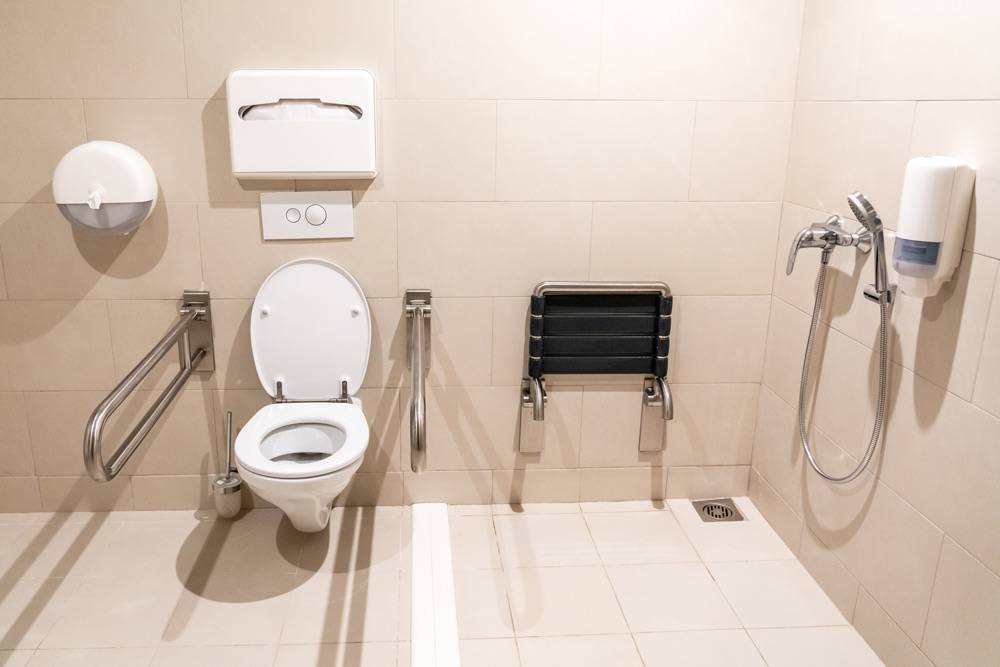
A home should provide security, comfort, and independence. However, standard homes are not always designed to accommodate mobility challenges or changing physical needs. Even small obstacles like narrow hallways, slippery floors, or high cupboards can make daily life more difficult.
Home modifications are designed to remove these barriers and create a living space that supports participants in completing everyday activities safely and independently. Appropriate modifications may also reduce the need for ongoing support while improving overall wellbeing.
Benefits of home modifications include:
- Improved safety around the home
- Greater independence with daily activities
- Reduced risk of falls and injuries
- Better mobility throughout the property
- Enhanced comfort and confidence
- Support for long-term independent living
- Reduced physical strain for family members and carers
Understanding Accessible Home Design
Accessible home design is about creating spaces that are easy to move through and use, regardless of a person’s mobility or physical abilities. Instead of simply adding equipment, accessible design considers how each room functions and how participants interact with their surroundings every day.
Effective home modifications are personalised rather than one-size-fits-all. The most suitable solution depends on the participant’s disability, mobility, goals, and future support requirements.
An accessible home often includes features that improve movement, reduce hazards, and allow participants to complete tasks with greater independence.
Entrance and Pathway Improvements
The entrance to a home is one of the first areas that may require modification. Safe access allows participants to leave home independently, welcome visitors, attend appointments, and participate more actively in their community.
- Install Accessible Ramps
Where stairs create barriers, ramps provide a safer and more practical alternative for wheelchair users, people using walkers, and individuals with limited mobility. Properly designed ramps should meet Australian accessibility standards and include appropriate gradients, handrails, and slip-resistant surfaces.
- Improve Outdoor Lighting
Good lighting improves visibility during the evening and reduces the likelihood of trips or falls. Motion sensor lights can also make entrances safer while improving convenience.
- Create Smooth Pathways
Uneven paving, loose gravel, or cracked concrete may create unnecessary hazards. Replacing these surfaces with smooth, level pathways allows safer movement for wheelchairs, mobility scooters, and walking aids.
Making Bathrooms Safer
The bathroom is one of the highest-risk areas in any home due to wet surfaces and confined spaces. Well-planned modifications can significantly reduce fall risks while allowing participants to manage personal care more independently.
- Grab Rails
Grab rails provide additional support when entering showers, standing from toilets, or moving around the bathroom. Correct placement by qualified professionals is essential to ensure maximum safety.
- Roll-In Showers
Traditional shower steps may create barriers for wheelchair users and people with mobility limitations. Roll-in showers provide easier access while improving safety and comfort during bathing.
- Non-Slip Flooring
Replacing slippery tiles with non-slip flooring helps reduce accidents, particularly for participants with balance or mobility challenges.
- Accessible Bathroom Fixtures
Raised toilets, adjustable shower heads, easy-to-use taps, and accessible basins can all make daily routines more comfortable while promoting greater independence.
Kitchen Modifications That Improve Independence

The kitchen plays an important role in daily living. Preparing meals independently helps participants develop confidence and maintain greater control over everyday life.
Simple design improvements can make cooking and food preparation much easier.
- Lowered kitchen benches for wheelchair accessibility
- Pull-out shelving for easier storage access
- Soft-close drawers that require less force
- Lever-style tapware for easier operation
- Accessible appliance placement
- Improved task lighting
- Clear floor space for mobility equipment
These practical adjustments help participants safely prepare meals while reducing unnecessary physical strain.
Bedroom Modifications for Everyday Comfort

A comfortable bedroom supports better sleep, improved wellbeing, and easier daily routines. Home modifications can help participants transfer safely, access storage, and move freely throughout the room.
Common bedroom improvements include adjustable beds, widened doorways, improved lighting, accessible wardrobes, and sufficient turning space for wheelchairs or mobility equipment.
- Improve Storage Accessibility
Wardrobes with adjustable shelving and pull-down hanging rails allow participants to access clothing more independently without excessive stretching or reaching.
- Increase Floor Space
Removing unnecessary furniture and improving room layouts creates safer pathways while reducing obstacles for mobility aids.
Living Room Modifications for Greater Accessibility
The living room is often where participants spend time relaxing, socialising with family, or enjoying hobbies. A well-designed space should be comfortable, safe, and easy to move around without unnecessary obstacles.
Simple changes to furniture placement, flooring, and lighting can make a significant difference for people using wheelchairs, walkers, or other mobility aids.
- Create Clear Walkways
Furniture should be arranged to allow wide, unobstructed pathways throughout the room. Removing unnecessary items reduces trip hazards and makes navigation much easier.
Participants who use mobility equipment also benefit from having enough turning space to move comfortably without needing assistance.
- Choose Accessible Furniture
Supportive chairs with armrests and appropriate seat heights can make sitting down and standing up much safer. Adjustable furniture may also improve comfort while reducing physical strain.
- Improve Lighting Throughout the Home
Well-lit spaces help participants identify hazards and move around safely. Natural lighting, brighter LED fixtures, and easily accessible light switches all contribute to a more accessible home environment.
Installing two-way switches in hallways and bedrooms can also improve convenience, particularly during the evening.
Smart Home Technology Can Improve Everyday Living
Technology has become an important part of modern accessible home design. Smart home devices allow participants to manage everyday tasks more independently while increasing comfort and safety.
Many of these technologies can be integrated with existing home modifications to create a more supportive living environment.
- Voice-Controlled Devices
Voice assistants can help participants control lights, televisions, heating, cooling systems, and other household appliances without needing to move around the home.
- Automatic Door Systems
Automatic doors provide easier access for participants with limited mobility and reduce the effort required to enter or leave the home.
- Smart Security Systems
Video doorbells, remote door locks, and home monitoring systems allow participants to feel more secure while providing greater independence.
- Emergency Alert Systems
Emergency call buttons and wearable alert devices can provide additional peace of mind by allowing participants to quickly contact family members or emergency services if assistance is required.
Simple Home Safety Tips for Everyday Living
Not every improvement requires a major renovation. Small adjustments can often make a home significantly safer while supporting greater independence.
- Keep walkways free from clutter.
- Remove loose rugs that may become trip hazards.
- Secure electrical cords against walls.
- Install adequate lighting throughout the home.
- Use non-slip mats in bathrooms and kitchens.
- Regularly inspect grab rails and handrails.
- Store frequently used items within easy reach.
- Ensure smoke alarms are tested regularly.
These practical safety measures complement larger home modifications and help reduce the risk of falls and injuries.
Can the NDIS Fund Home Modifications?
The NDIS may fund home modifications where they are considered reasonable and necessary to support a participant’s disability-related needs. Funding decisions are based on individual circumstances, goals, and assessments completed by qualified health professionals.
Home modifications may range from minor changes, such as installing grab rails, to more complex structural modifications involving bathrooms, kitchens, entrances, or access pathways.
Because every participant’s situation is different, modifications should always be planned in consultation with occupational therapists and other relevant professionals to ensure they are appropriate and aligned with NDIS requirements.
Choosing the Right Home Modifications
Selecting the right modifications starts with understanding the participant’s current and future needs. The goal is not simply to improve accessibility today but to create a home that continues to support independence over the long term.
Important considerations include mobility, personal goals, daily routines, household layout, support requirements, and potential future changes in physical abilities.
Professional assessments help identify practical solutions that improve both safety and functionality without introducing unnecessary complexity.
Working with Experienced NDIS Support Providers
Implementing successful home modifications often involves collaboration between participants, families, occupational therapists, builders, and disability support providers. Working together ensures each modification is designed to meet the participant’s unique needs while promoting independence and safety.
At Above & Beyond Carers, we understand that every participant’s journey is different. Our Home Modification support focuses on helping participants access practical solutions that make everyday living safer, more comfortable, and better suited to their individual goals.
Whether someone requires minor accessibility improvements or more comprehensive modifications, personalised planning can make a meaningful difference to their quality of life.
Conclusion
Creating an accessible home is about much more than improving physical access. Thoughtful home modifications help participants live more independently, reduce safety risks, and enjoy greater confidence in their daily routines.
From bathroom upgrades and accessible kitchens to smart home technology and safer entrances, every modification should be tailored to the participant’s individual circumstances. By focusing on practical, person-centred solutions, NDIS participants can enjoy a home that supports their independence today and into the future.
Investing in accessible home design not only enhances safety but also empowers participants to live comfortably, remain connected to their communities, and achieve their personal goals with greater confidence.
Frequently Asked Questions
What are home modifications under the NDIS?
Home modifications are changes made to a participant’s home to improve accessibility, safety, and independence. These changes can range from installing grab rails and ramps to larger structural modifications such as accessible bathrooms or widened doorways.
The purpose of home modifications is to help participants move around their homes more safely and complete everyday activities with greater confidence and independence.
Does the NDIS pay for home modifications?
The NDIS may fund home modifications if they are considered reasonable and necessary to support a participant’s disability-related needs. Funding depends on the participant’s individual circumstances, goals, and assessments completed by qualified professionals.
Before any work begins, modifications usually require recommendations from an occupational therapist and approval through the participant’s NDIS plan.
What types of home modifications are commonly funded?
Common modifications include grab rails, wheelchair ramps, handrails, accessible showers, widened doorways, non-slip flooring, kitchen adjustments, and improved access throughout the home.
The specific modifications recommended will depend on the participant’s mobility, support needs, and living environment.
How do home modifications improve independent living?
Home modifications remove physical barriers that can make everyday activities difficult. By improving accessibility, participants may be able to move around their homes more safely, complete daily tasks more independently, and reduce the risk of falls.
These improvements can also provide greater confidence while supporting long-term independence and quality of life.
How can Above & Beyond Carers help with home modifications?
Above & Beyond Carers supports NDIS participants by helping them access home modification solutions that suit their individual needs and goals. We work with participants and relevant professionals to promote safer, more accessible living environments.
Our person-centred approach focuses on improving comfort, independence, and everyday wellbeing while supporting participants throughout their NDIS journey.