

How NDIS Builds Development Life Skills For Independence
The National Disability Insurance Scheme (NDIS) changes how people gain control over their lives. For many people, becoming independent is not just about getting care. It is about learning life skills to live on their own. For many people, becoming independent is not just about getting care. It is about learning life skills to live on their own. This guide explores how to leverage NDIS plans and supports to build lasting self-reliance through a strategic “doing with, not for” philosophy, focusing on comprehensive life skills development.
Defining Skill Development vs. Standard Support
Standard support focuses on completing tasks for a participant, whereas skills development focuses on teaching the participant to perform those tasks independently. Whether learning to manage personal care or mastering public transport, the shift from passive service receipt to active learning is the cornerstone of Capacity Building. Standard core supports give immediate help. Skill-focused approaches let individuals slowly rely less on outside help.
The Philosophy of Capacity Building: From “Doing For” to “Doing With”
The most effective NDIS plans prioritize Capacity Building. Support workers focus on teaching. Participants work with them and slowly move from needing full help to leading their own lives. The National Disability Insurance Scheme (NDIS) changes how people gain control over their lives. This shift toward a “doing with” model, rather than “doing for,” is the core of sustainable development life skills.
How Life Skills Foster Greater Autonomy and Social Inclusion
Building life skills is the gateway to community participation. When people feel confident in their skills, they can make friends and enjoy hobbies. They can also take part in their community. This changes loneliness into active social life. When a participant gains confidence in their abilities, they are better equipped to build relationships and contribute to their community.
Core Supports vs. Capacity Building: Where Does Training Fit?
Core Supports help with daily assistance. Capacity Building funding helps participants learn new skills. Understanding this distinction is vital for maximizing your NDIS plans. Training fits into the Capacity Building budget, allowing you to hire a service provider to mentor you in specific areas of need.
Identifying Relevant Support Categories in Your NDIS Plan
Review your NDIS plans for “Improved Daily Living” or “Increased Social and Community Participation.” These categories are the primary vehicles for funding programs that provide targeted skills development. By identifying these sections, you can ensure you have the correct funding to engage a specialized NDIS Provider for your goals.
How to Request Skill Development Funding During Your Plan Meeting
When meeting with your LAC, link every request to a specific goal. Participants can use NDIS funding to build skills. They should focus on clear goals. They should also work together with helpers. This helps them become truly independent. Frame your request as: “I want to gain the skills to live independently, so I need funding for training in meal preparation and budgeting.”
Personal Care, Hygiene, and Health Management
Mastering Personal Care and personal hygiene is the bedrock of independence. Consistent support in health management ensures participants can maintain their physical well-being. By learning to manage these routines, participants gain the privacy and dignity that comes with self-directed hygiene habits.
Meal Preparation: From Nutrition Education to Food Safety
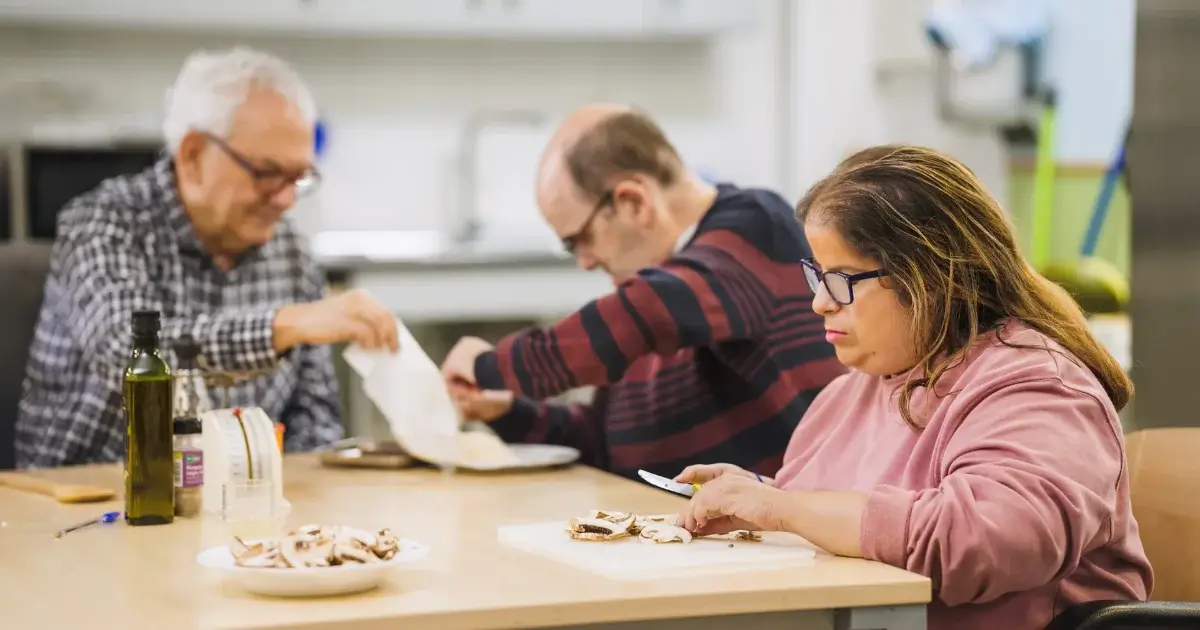
Cooking is a fundamental life skill. Training should teach everything from understanding nutritional value to keeping food safe. This helps participants prepare their own healthy meals. This process involves creating a shopping list, learning safe kitchen practices, and understanding food storage requirements.
Household Management: Mastering Chores and Home Maintenance
Managing a home involves various tasks, from cleaning to organizing schedules. Learning these systems helps participants create a living environment that is sustainable and conducive to their overall well-being. Regular practice with household chores ensures a safe and comfortable home environment.
Financial Literacy: Budgeting, Money Management, and Smart Shopping
Budgeting is a vital tool for independence. Learning to track spending, manage money, and compare prices during shopping trips builds the practical competence required to manage personal finances effectively. Participating in a budgeting class can provide the structured environment needed to master these financial tasks.
What challenges might participants face in developing life skills through the NDIS and how can they be addressed?
Progress can stall due to burnout, lack of motivation, or inappropriate support matches. To solve these problems, people should talk openly with their providers. They should set easier goals. They should also learn skills at a pace that does not overwhelm them. To fix these problems, the participant and their service provider must work together.
Strategies to Overcome Challenges in Life Skills Development
Giving regular encouragement helps people stay motivated. Positive feedback helps keep people motivated. Giving regular encouragement helps people stay motivated. Positive feedback helps keep people motivated. Celebrating small victories can build confidence and inspire participants to continue progressing. Regularly reviewing and changing the plan helps find problems early. It also helps fix issues before they get worse.
Building a Strong Support Network
A robust support network, composed of family, peers, and professional caregivers, is crucial. Social support helps people feel better emotionally. It also motivates them to keep learning new skills. Peer groups or support circles that allow sharing of experiences can be particularly impactful.
A strong support network, including family members, peers, and professional caregivers, is essential for effective life skills development. This social support plays a significant role in enhancing emotional well-being, which is key to maintaining motivation in acquiring new skills. Furthermore, participating in peer groups or support circles where individuals can share their experiences and challenges can be particularly influential in fostering encouragement and perseverance.
Customizing Support Approaches
Every participant is unique, and so too should be their approach to learning life skills. Support services should match each person’s likes and abilities. This keeps the experience interesting and useful. Providers should be flexible and creative in adapting teaching methods and materials to suit different needs.
Developing Resilience and Adaptive Strategies
Life is unpredictable, and setbacks are a part of the journey toward independence. Building resilience involves teaching adaptive strategies that can help participants manage stress. Encouraging problem-solving skills and fostering a mindset that views challenges as opportunities for growth can make a significant difference.
Regular Feedback and Iteration
Frequent reviews of your Development Life Skills support plan are essential. By measuring progress against defined milestones, you and your support coordinator can iterate on your approach, ensuring your training remains relevant to your evolving goals.
Developing Verbal and Non-Verbal Communication Techniques
Effective communication skills are essential for advocacy and connection. Participants should practice both verbal articulation and non-verbal cues to ensure their needs and boundaries are understood. Engaging in communication workshops can help refine these critical interactions.
Building Relationships and Navigating Social Situations
Navigating social settings can be daunting. Targeted practice helps participants build the confidence to interact with peers, foster social interactions, and participate in community events. Building Relationships is a core component of overall well-being.
Conflict Resolution and Emotional Strength in Community Settings
Developing the ability to handle disagreements calmly is crucial. Emotional strength allows participants to remain resilient in diverse community settings. Practicing conflict resolution in a group setting can help build the necessary confidence to handle real-world scenarios.
Using Social Skills Programs and Group Activities to Build Confidence
Group activities provide a safe, structured space to practice social skills. This collective learning environment is highly effective for building the confidence needed for individual social success.
Navigating Public Transport: Using Trains, Buses, and Travel Cards
Learning to use public transport helps people travel on their own. They can go to appointments, meet friends, and get to work without help. Mastering the use of travel cards and navigating bus and train routes provides a new level of physical freedom.
Community Outings: Building Confidence in Public Spaces
Regular, supported outings help participants normalize their presence in public spaces, reducing anxiety and increasing their comfort level in the community. This increased community participation is vital for long-term inclusion.
Safety Awareness and Problem-Solving in the Community
Safety skills are crucial for achieving independence in the community. These essential skills involve understanding how to navigate crosswalks safely, identifying potential hazards, and maintaining a heightened awareness of one’s surroundings. By honing these problem-solving abilities, participants not only enhance their sense of security but also gain the confidence needed to venture into and adapt to new environments. This foundation of safety awareness empowers individuals to independently engage with and enjoy their community spaces confidently.
Critical Thinking Skills for Everyday Challenges
Life is full of unexpected variables. Training that emphasizes critical thinking enables participants to solve problems independently when routines are disrupted, fostering a deeper sense of self-reliance.
Goal Setting and Time Management Techniques
Effective time management is a skill that supports all other life areas. Breaking large goals into smaller, daily actions ensures consistent progress toward your vision of independence.
Digital Literacy: Using Technology and Assistive Devices Safely
Digital proficiency is essential in the modern era. Learning to use technology and assistive devices safely opens doors. It helps people access information, find jobs, and connect socially.
The “Goal-to-Skill” Framework: Translating Desires into Actionable Steps
Building Life Skills Using NDIS Capacity Funding requires transforming broad desires into measurable outcomes. For example, “I want to be more independent” should translate into “I will learn to catch the bus by October.” By documenting specific progress, you validate the success of your training.
Using NDIS To Develop Lasting Independence
Building life skills is a journey of transformation. Participants can use NDIS funding to build skills. They should focus on clear goals. They should also work together with helpers. This helps them become truly independent. Remember, every small skill mastered today is an investment in your autonomy tomorrow. Start by reviewing your plan, identifying one priority skill, and setting a clear, time-bound goal for your next review. Your path to independence is paved with the skills you choose to develop today.